

The AI Expectation Gap: When Artificial Intelligence Promises More Than It Can Deliver
Artificial Intelligence has transformed the way photographers, videographers, designers, and business owners work. It can generate content in seconds, analyse images, assist with editing, write articles, produce marketing copy, and even help plan complex creative projects.
I’ve written previously about how AI can genuinely benefit photographers and videographers, and I stand by that opinion. Used correctly, AI is one of the most valuable productivity tools I’ve ever used.
However, after using AI almost every day for both my photography business and my photo restoration website, I’ve discovered something else: The AI Expectation Gap: When Artificial Intelligence Promises More Than It Can Deliver.
Sometimes AI sounds incredibly confident about what it can do… until you actually ask it to do it.
This isn’t necessarily because the technology is intentionally misleading. More often, it’s because there is a difference between understanding a task, helping plan it, and actually being able to complete it.
For photographers and creative professionals, understanding that difference is becoming increasingly important.
Table of Contents
AI Is an Incredible Assistant—But It Isn’t Magic
One of AI’s greatest strengths is conversation.
Ask it how to improve your SEO.
It can help.
Need ideas for social media?
It can generate dozens.
Want a blog post?
It can produce one in minutes.
Need help planning a photography workflow?
Again, incredibly useful.
The problem arises when confidence is mistaken for capability.
AI often explains how something could be done without always making it clear whether it can personally complete every stage of that task.
That distinction matters.
Real Example 1: Creating a Professional PDF
Recently I wanted to convert a fairly untidy Word document into a polished, professionally designed PDF.
The request seemed straightforward.
AI confidently described how it could transform the document into something suitable for presentation, complete with professional formatting and improved layout.
As someone who has spent years producing commercial marketing material, that sounded ideal.
The reality was different.
While AI was extremely helpful in improving the written content and suggesting layouts, creating the finished publication-quality PDF wasn’t as simple as initially suggested.
Eventually the workflow changed into guidance, recommendations and assistance rather than the fully completed document I had originally expected.
The end result was still useful.
It just wasn’t quite what I had been led to believe was possible.
Real Example 2: Producing a Promotional Video
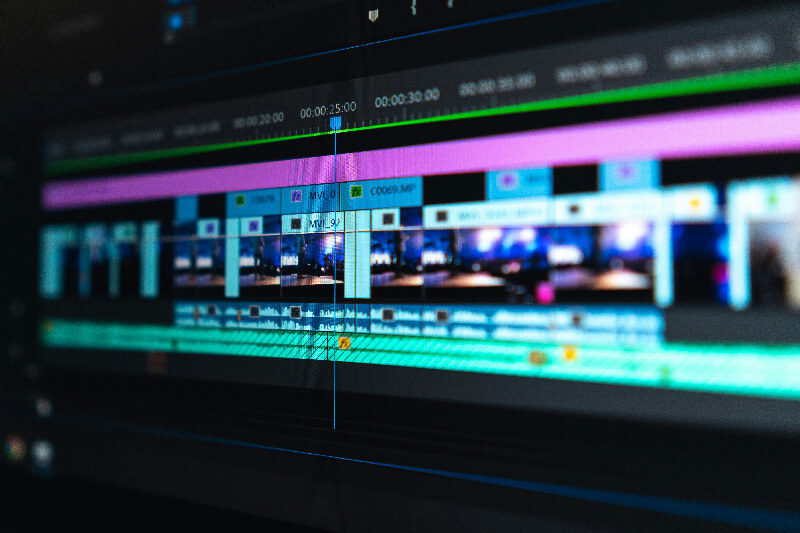
The second example involved one of my photography and videography projects.
I asked whether AI could create a promotional video using footage from my YouTube channel.
Initially the answer sounded incredibly promising.
I was told that the footage could be analysed, that missing clips could even be generated to fill gaps, and that the result could approach the quality of a professionally edited promotional film.
As a photographer and videographer, that was naturally exciting.
The idea of producing high-quality promotional content from existing footage would save countless hours.
However, as we explored the project in greater detail, the expectations gradually changed.
Instead of producing the completed promotional video, the realistic outcome became:
- Storyboarding
- Shot planning
- Edit structure
- Voiceover suggestions
- Music recommendations
- Scene sequencing
All extremely valuable.
But fundamentally different from receiving a finished cinematic video.
Again, AI proved to be an excellent planning assistant.
It simply wasn’t yet capable of replacing the full production process.
Why Does This Happen?
In my opinion, there are several reasons.
AI Understands Workflows Better Than It Executes Them
Modern AI systems have learnt from enormous amounts of information.
They understand how photographers edit images.
They understand how videos are structured.
They understand publishing, SEO and marketing.
Understanding something, however, is different from physically carrying out every technical step.
Sometimes the explanation sounds so complete that it’s easy to assume the task itself can also be completed automatically.
Technology Is Evolving Constantly
Another factor is how quickly AI changes.
A capability that doesn’t exist today might genuinely exist six months from now.
Likewise, features available in one version of an AI system may not exist in another.
This creates understandable confusion for users trying to understand exactly what is possible.
The Human Factor Still Matters
Photography is a good example.
AI can now:
- Remove backgrounds
- Reduce noise
- Suggest crops
- Generate captions
- Improve workflow
- Help write marketing content
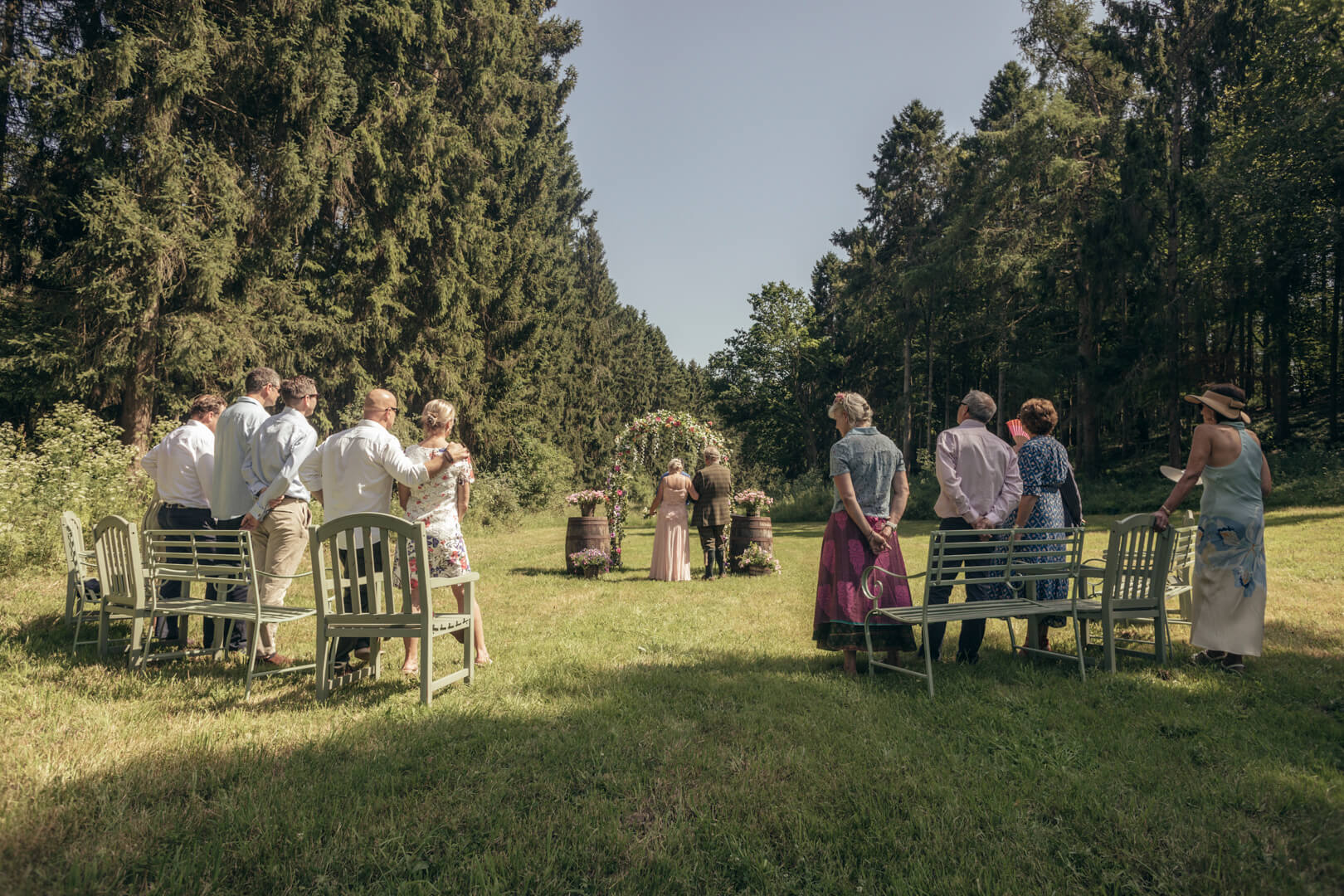
But it still cannot replace years of experience photographing weddings, commercial assignments, orchestras, tourism campaigns or luxury products.
It doesn’t understand clients.
It doesn’t anticipate emotion.
It doesn’t recognise the subtle creative decisions that separate good photography from exceptional photography.
How Creative Professionals Should Use AI
After using AI extensively across multiple businesses, I’ve settled on a simple philosophy.
Use AI where it excels.
Trust experience where it matters.
Today, AI is outstanding at:
- Brainstorming
- Research assistance
- Writing first drafts
- SEO support
- Editing suggestions
- Workflow planning
- Content ideas
But before making promises to clients—or changing your business around AI—you should always test those capabilities for yourself.
Treat AI as an incredibly knowledgeable assistant rather than an infallible expert.
The Future Looks Extremely Promising
Despite these limitations, I’m genuinely optimistic.
The improvements over the past few years have been remarkable.
Tasks that once took hours can now take minutes.
Workflows continue to improve.
Editing software is becoming smarter.
Automation is reducing repetitive work.
I have no doubt that AI will continue transforming photography and videography in positive ways.
The important thing is understanding what it can genuinely do today—not what we hope it might do tomorrow.
The AI Expectation Gap: When Artificial Intelligence Promises More Than It Can Deliver – Final Thoughts
The biggest lesson I’ve learnt isn’t that AI is unreliable.
Far from it.
The lesson is that expectations need to match reality.
AI is one of the most useful tools I’ve added to my business.
It helps me write, plan, research, organise and work more efficiently than ever before.
But like any tool, it has limits.
Understanding those limits allows photographers, videographers and creative professionals to get the very best from AI—without disappointment.
The future of photography isn’t AI replacing photographers.
It’s experienced photographers learning how to use AI more intelligently than ever before.
Frequently Asked Questions
Can AI replace professional photographers?
No. AI can automate repetitive tasks and improve workflows, but it cannot replace experience, creativity, client interaction, or the ability to capture unique moments.
Is AI useful for photographers?
Absolutely. AI can help with editing, SEO, marketing, content creation, image organisation, noise reduction, and many other time-saving tasks.
Why does AI sometimes overpromise?
AI often understands how a process works but may not always be able to complete every technical stage itself. This can create a gap between expectations and practical capability.
Should photographers rely entirely on AI?
No. AI works best as a creative assistant rather than a replacement for professional judgement and experience.
Ready to Combine Experience with the Latest Technology?
Technology continues to evolve, but successful photography still depends on creativity, planning and expertise. If you’re looking for professional photography or videography backed by years of real-world experience—and enhanced by modern tools where they genuinely add value—I’d be delighted to help with your next project.